If you or someone you know is in crisis, dial 988 to reach the Suicide and Crisis Lifeline, which provides 24/7, free, and confidential support.
At a Glance
Sleep apnea and depression have a bidirectional relationship: Each condition can play a part in the other developing or getting worse. These conditions share risk factors like obesity, and symptoms like excessive daytime sleepiness and mood swings. While the treatment for each condition varies, improving one can also help the other get better.
As a sleep disorder, sleep apnea may seem unrelated to depression — a mental health disorder — but they affect each other more than you might think. Obstructive sleep apnea (OSA) happens when your airways collapse while you sleep, interrupting breathing, disturbing your sleep, and causing symptoms like daytime sleepiness and headaches.
Depression, on the other hand, causes feelings of sadness, irritability, and less desire to do the things you normally enjoy. But both sleep apnea and depression affect how you sleep, and they have a bidirectional relationship: Each can make the other get worse. Below, learn how these two disorders are linked, and what you can do to manage both.
Don’t Ignore the Warning Signs. Get Answers.
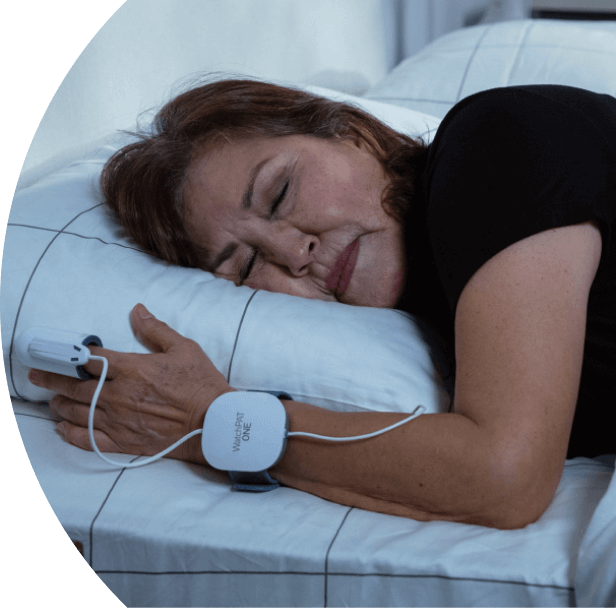
Sleep Doctor’s home sleep study helps you understand if sleep apnea could be impacting your health and what to do next.
How Are Sleep Apnea and Depression Connected?
Research shows a definite connection between depression and sleep apnea. Their similarities include overlapping symptoms like:
- Low energy and fatigue
- Trouble concentrating
- Memory loss
- Mood swings
- Irritability
- Poor sleep quality
Signs you may have both conditions include the symptoms above, plus those unique to each disorder. These could include sleep apnea symptoms like gasping, snoring, or choking during sleep or depression symptoms like persistent sadness or anxiety, appetite changes, sleep disturbances, loss of interest and or/energy, concentration issues, and suicidal ideation.
Although experts aren’t entirely sure how the connection works, they have some theories:
Sleep Pattern Disruption
Sleep apnea and depression both disrupt your sleep stages. Because OSA breathing pauses wake you throughout the night, they interrupt your deepest sleep stages (N3), increasing the time you spend in lighter sleep. And although depression doesn’t pause breathing, people with this disorder generally get less deep sleep, more rapid-eye movement (REM) sleep early in the night, and more early morning awakenings.
Body Mass Index
Having a high body mass index (BMI) is also a risk factor for both depression and OSA. In sleep apnea, carrying extra weight around your face, chest, and neck can crowd your airway and increase the chance of blockage when you sleep. But a higher BMI can also change how your body responds to stress, which can lead to an unstable mood and trouble with thinking and memory.
Inflammation and Oxidative Stress
General inflammation in your body may also connect these conditions. Studies have found the same inflammation blood test results in people with OSA and depression. And oxidative stress — a buildup of free radicals in cells — is also more common in both disorders.
Serotonin
The brain messenger serotonin plays a big part in sleep apnea and depression. In depression, lower levels of serotonin can change how you see events and situations by putting them in a negative light. Serotonin also helps manage your internal clock.
Can Sleep Apnea Cause Depression?
Sleep apnea can increase your risk of developing major depressive disorder and worsen depression symptoms if you already have it. Studies show about 23% of people with OSA also have clinical depression, and experts think OSA can worsen this mood disorder through these methods:
- Fragmented sleep: Interruptions in your normal sleep cycle, including early morning awakenings out of REM sleep, and the increased risk of insomnia may cause excessive daytime sleepiness, worsen your mood, and change how you process emotions.
- Low oxygen: When your breathing pauses with OSA, your oxygen levels fall, which can increase oxidative stress in your body and brain.
- Chronic fatigue: Feeling exhausted all the time from interrupted sleep with OSA can cause a decline in mood and problems with memory and judgement, eventually leading to depression.
Can Depression Cause Sleep Apnea?
Though there isn't enough research to say that depression causes sleep apnea, it's clear that the two are linked. In studies of people with depression, about 36% to 48% also had OSA. Depression may contribute to sleep apnea through:
- Sleep pattern disruption: People with depression often spend more time in REM sleep. Incidentally, sleep apnea is often worsened in REM sleep, due to the natural paralysis affecting the airway muscles, which may interrupt it. Plus, the poor sleep associated with depression can make you more prone to pauses in breathing.
- Lower treatment motivation: Research shows depression can decrease how much you use your OSA treatment, like continuous positive airway pressure (CPAP) therapy.
- Brain messenger and hormone changes: Changes in serotonin, insulin, and other chemicals that manage signals to and from your brain can lead to a more relaxed airway and promote obesity, which can make sleep apnea worse.
- Increased alcohol use: If depression is accompanied by alcohol consumption, it can further worsen sleep apnea symptoms by relaxing the muscles in the throat, increasing airway collapse, and disrupting normal sleep patterns.
- Depression medications: Some antidepressants may cause weight gain, which influence OSA by increasing fat deposits around the neck and upper airway, making it more likely for the airway to narrow or collapse during sleep.
These factors can strengthen the bidirectional relationship between sleep apnea and depression, which makes treatment for both vital.
Does Treating Sleep Apnea Improve Depression?
Sleep apnea treatments like CPAP aren’t prescribed as a standalone treatment for depression, but because they’re so connected, treating one can help the other. For example, CPAP therapy can have these benefits:
- Better sleep quality
- Less daytime fatigue
- Improved mood and fewer depression symptoms
Experts say that it can take treatment with CPAP about six months to start improving depression. And you may see the best results for depression and OSA by treating both together.
When to Talk to a Doctor
Sleep apnea and depression can have negative effects on your body and mind, so it’s important to get a diagnosis and start treatment as soon as possible. See a doctor if you experience the following:
- Symptoms of depression lasting more than two weeks
- Loud, frequent snoring and gasping at night with daytime fatigue
- No symptom improvement with CPAP
- Worsening mental health symptoms
Some mental health symptoms are considered an emergency. If you have thoughts of harming yourself or taking your own life, you can call or text 988 anytime of the day or night.
Medical Disclaimer: This content is for informational purposes and does not constitute medical advice. Please consult a health care provider prior to starting a new treatment or making changes to your treatment plan.

Written by
Abby McCoy, RN, Contributing WriterAbby McCoy is an experienced RN who has worked with adults and pediatric patients encompassing trauma, orthopedics, home care, transplant, and case management. She holds a Bachelor’s of Science in Nursing from St. Louis Univeristy and has practiced nursing all over the world from San Francisco, CA, to Tharaka, Kenya. She now writes health content for trusted health outlets like Everyday Health and Next Avenue.

Reviewed by
Brandon R. Peters, MD, FAASM, Medical ReviewerDr. Brandon R. Peters is a board-certified neurologist and sleep medicine physician who specializes in diagnosing and treating sleep disorders, including insomnia, obstructive sleep apnea, circadian rhythm disorders, and narcolepsy. He is a Fellow of the American Academy of Sleep Medicine and currently practices at Virginia Mason Franciscan Health in Seattle.