At a Glance
Diagnosing obstructive sleep apnea typically begins with evaluating symptoms, such as loud snoring, gasping during sleep, and daytime sleepiness. A confirmed diagnosis requires a sleep study — either an overnight sleep study in a lab or an at-home sleep test — that measures breathing patterns and other sleep-related data.
Many people live with sleep apnea for years without realizing it, making proper diagnosis an essential first step to protecting your health. Because symptoms often occur during sleep, they can be easy to overlook or attribute to other causes like stress or poor sleep habits. But diagnosing and treating sleep apnea early can improve breathing during sleep, reduce symptoms and long-term health risks, and enhance overall quality of life.
Typically, a diagnosis involves reviewing your symptoms and medical history, followed by a sleep study that monitors breathing, oxygen levels, and other key indicators overnight. In this article, we’ll explain how sleep apnea is diagnosed, what to expect during testing, and what happens after a diagnosis is confirmed.
Is It Sleep Apnea? Find Out for as Low as $0
Sleep Doctor’s home sleep study gives your results reviewed by a sleep specialist and guidance on what to do next. Most major insurance plans accepted.
How Is Obstructive Sleep Apnea Diagnosed?
Obstructive sleep apnea (OSA) is a common sleep disorder characterized by repeated breathing disruptions. The only way to confirm these is with an overnight sleep study that evaluates breathing during sleep. And to determine whether a sleep apnea test is necessary, a doctor considers a person’s symptoms, risk factors, personal and family medical history, and the results of a physical exam.
Symptoms of Obstructive Sleep Apnea
Understanding a person’s symptoms helps doctors estimate the likelihood and potential severity of nighttime breathing disruptions. Symptoms of OSA include:
- Persistent and loud snoring
- Pauses in breathing, often observed by a bed partner or family member
- Snorting, gasping, or choking while sleeping
- Restless or unrefreshing sleep
- Excessive sleepiness during the daytime
- Morning headaches
Risk Factors for Obstructive Sleep Apnea
By asking questions about a person’s medical history and conducting a physical exam, a doctor also takes into account whether a person has certain risk factors associated with OSA. These include:
- Male sex
- Older age
- Obesity
- Neck circumference greater than 17 inches
- Large tongue or crowded upper airway
- High blood pressure
- Abnormal heart rhythms
- Nighttime chest pain
- Heart failure or stroke
Screening Tools for Obstructive Sleep Apnea
In some cases, doctors may use other tools to determine whether a person needs further testing for obstructive sleep apnea. Tools that can evaluate the risk of OSA and may help determine the need for additional testing include the STOP-Bang questionnaire, the Epworth Sleepiness Scale, and the Berlin score.
If, after a thorough assessment, a doctor suspects that a person may have obstructive sleep apnea, they'll recommend sleep apnea testing that can diagnose OSA, determine its severity, and help identify the optimal treatment.
Wondering if you have sleep apnea? Take a quick quiz to assess your risk.
Take the QuizWhat Is a Sleep Apnea Test?
A sleep apnea test is an overnight evaluation that's done to confirm a diagnosis of obstructive sleep apnea. The two most common types of sleep apnea test is a sleep study performed either in a sleep lab or at home.
In-Lab Sleep Apnea Test
During a sleep apnea test conducted in a sleep laboratory, a trained provider uses a variety of tools to evaluate a person’s sleep health. Data collected during a sleep study may include:
- Changes in airflow through the lungs
- The level of oxygen in the blood
- The pattern and rate of heart beats
- The length of sleep stages
- Sleeping position and movement during sleep
At-Home Sleep Apnea Test
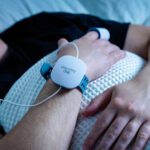
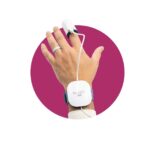
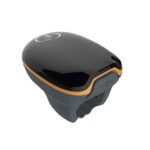
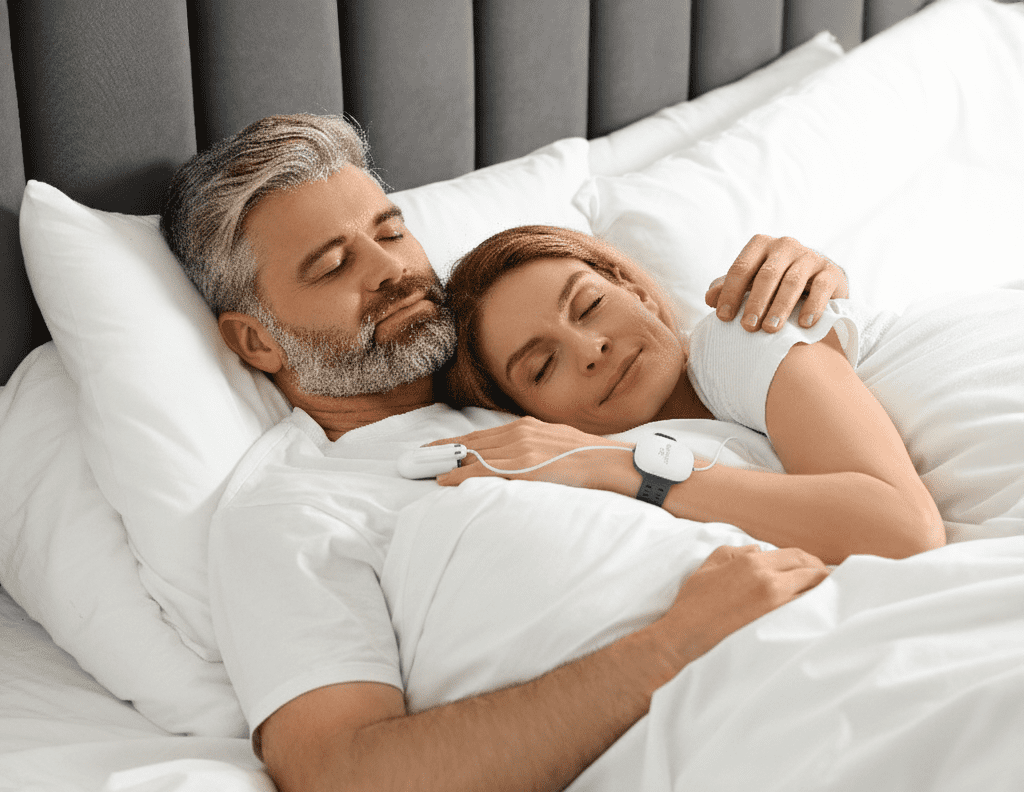
Home sleep apnea testing involves an overnight test for sleep apnea that is conducted in a person’s home. This test requires using a special device through the night. A pre-programmed device may be provided to a person or it may be set up in the home by a trained provider.
While home sleep apnea testing is usually more convenient, it doesn't collect as much data as an in-lab sleep apnea test. For this reason, home testing is only used when:
- A doctor suspects that a person has OSA and not another sleep disorder
- A person hasn't been diagnosed with any other sleep disorders
- It’s unlikely that other health problems are interfering with breathing
- The sleeper isn't a mission-critical worker, such as a police officer, pilot, or commercial driver
Interpreting Sleep Study Results
Once the test is complete, the doctor will evaluate the results to determine whether a person has obstructive sleep apnea. To diagnose obstructive sleep apnea, the doctor will consider a person’s symptoms and how often their breathing is paused or restricted during sleep, called their apnea-hypopnea index (AHI).
Based on these findings, the doctor can also classify the severity of obstructive sleep apnea.
- Mild: between 5 and 15 breathing disruptions per hour of sleep
- Moderate: 15 to 30 breathing disruptions per hour of sleep
- Severe: more than 30 breathing disruptions per hour of sleep
After a home sleep apnea test is complete, if the results are unclear or incongruous with a person’s symptoms, the doctor may recommend confirming the results with an in-lab sleep study.
What Treatments Are Available for Obstructive Sleep Apnea?
There are a variety of treatments for obstructive sleep apnea. Doctors determine the appropriate treatment based on the severity of the condition and a person’s overall health. Because many approaches require nightly treatment, doctors also work with individuals to determine what treatment is best suited to their needs and preferences.
CPAP Therapy
Positive airway pressure (PAP) therapy is the most common treatment that's recommended for most people with OSA. PAP therapy, such as with a CPAP machine, involves a bedside machine that delivers pressurized air through a tube and mask and into the upper airway. This helps to keep the airway from narrowing and causing breathing disruptions.
Oral Appliances
Oral appliances are medical devices that shift the position of the tongue or jaw to prevent the airway from narrowing during sleep. These devices are prescribed and fitted by a dentist or other dental professional.
Nerve Stimulation
Hypoglossal nerve stimulation is a treatment for obstructive sleep apnea in which a small medical device is placed under the skin. This device uses electrical stimulation of specific nerves to shift the tongue forward during sleep so that it doesn't obstruct the airway.
Surgery
Surgery for OSA attempts to modify physical structures in the mouth, nose, or throat to prevent breathing disruptions. It's generally limited to people who have tissue in or around their airway that contributes to obstructive sleep apnea.
What Are the Next Steps After Getting a Diagnosis?
Once a diagnosis of obstructive sleep apnea is confirmed, a healthcare provider can recommend appropriate treatment. The focus of treatment is to reduce symptoms and long-term health risks by preventing the airway from becoming blocked while a person sleeps.
In addition to treatments to improve breathing during sleep, doctors often recommend addressing any underlying health issues that may be caused by or contribute to breathing disruptions. They may also recommend making lifestyle changes that can decrease the symptoms or severity of OSA. Lifestyle changes may include:
- Practicing good sleep habits
- Exercising regularly
- Maintaining a healthy weight
- Moderating alcohol consumption
- Quitting smoking and vaping of tobacco and cannabis
- Reducing the use of sedative drugs
- Avoiding back sleeping
Medical Disclaimer: This content is for informational purposes only and isn't a substitute for professional medical advice. Consult your healthcare provider with questions about any symptoms you're experiencing or before changing or stopping an existing treatment.

Written by
Tochukwu Ikpeze, MD, Contributing WriterTochukwu grew up in New York and has a passion for creative and scientific writing. Tochukwu holds an undergraduate degree in Biology and Psychology, a Master’s degree in Biomedical Science, and a Medical Degree as well. In his free time, Tochukwu enjoys reading, learning, exploring various topics pertaining to the human condition and conveying that information to the public through writing.
Reviewed by
Gerard J. Meskill, MD, FAASM, Medical ReviewerDr. Gerard J. Meskill is a neurologist and sleep medicine physician specializing in the diagnosis and treatment of sleep disorders, including narcolepsy, obstructive sleep apnea, and insomnia. He is board-certified in both neurology and sleep medicine and has extensive experience helping patients manage complex sleep conditions and disorders of excessive daytime sleepiness.