While it’s more common in older adults, obstructive sleep apnea (OSA) also affects up to 5% of children, particularly those between the ages of 2 and 6. Possible signs of childhood sleep apnea include snoring, nighttime restlessness, and daytime sleepiness.
Parents and caregivers who are concerned that their child may have sleep apnea should work with a qualified sleep specialist. Early detection of obstructive sleep apnea is important, as treatment may prevent behavioral issues, slow growth, excessive sleepiness, heart disorders, and other complications.
What Is Obstructive Sleep Apnea in Children?
Pediatric obstructive sleep apnea is a sleep-related breathing disorder in which a blockage or narrowing of the upper portion of a child’s airway limits the amount of air that reaches the lungs. As a result, breathing may be impaired or compromised.
OSA in children involves episodes of shallow breathing (hypopnea) or no breathing (apnea). Airway blockages may be intermittent or prolonged. During intermittent obstruction, the upper airway is either partially or completely closed off for a short period of time. With prolonged obstruction, the upper airway collapses partially for a longer duration.
Compared to adults, young children with OSA are more likely to have slow and shallow breathing, rather than complete pauses or apneas. Young children are also less likely to wake up when their breathing patterns change.
What Are the Symptoms of Sleep Apnea in Children?
Nighttime symptoms of obstructive sleep apnea in children include:
- Snoring
- Mouth breathing
- Nocturnal coughing or choking
- Periods of no breathing or difficulty breathing
- Restless sleep
- Bedwetting
- Night sweats
Daytime symptoms of OSA include:
- Behavioral changes, such as aggression, trouble paying attention, or hyperactivity
- Daytime fatigue or the need for more frequent naps
- Morning headaches
- A voice that sounds “nasal”
- Lack of appropriate growth milestones in infants
Compared to adults with OSA, pediatric sleep apnea is more likely to accompany behavioral changes that prompt caregivers to seek help from a medical professional.
Having one or more of these symptoms does not necessarily mean that a child has sleep apnea. Likewise, a child may have OSA but not exhibit common symptoms like snoring. Only a qualified health care provider can assess a child’s symptoms and evaluate their potential cause.

Causes of Pediatric Obstructive Sleep Apnea
Like adults, obstructive sleep apnea in children is caused by the narrowing or complete closure of the upper airway during sleep, making it harder for air to pass through.
The upper airway is the empty space behind the nose and mouth. Muscles in the throat help the upper airway stay open so that breath can pass in and out of the lungs. During sleep, it’s normal for these muscles to relax but still maintain enough tone and shape for air to travel through.
However, if a child’s airway is smaller than normal or if the muscles aren’t performing properly, the relaxed tissue can cause the airway to collapse in on itself, which leads to breathing problems like obstructive sleep apnea.
Risk Factors for Children
Several conditions can cause a child to have a narrowing or or blockage of their upper airway, which can lead to obstructive sleep apnea.
- Enlarged adenoids and tonsils: From ages 2 to 8, the adenoids and tonsils in a child’s throat are larger in comparison to the rest of the airway, often due to respiratory infections and inflammation. This tissue is prone to partially blocking the airway during times of relaxation.
- Obesity: Children with OSA are more likely to have difficulty breathing at night if they are overweight or have obesity. Much like overweight adults with obstructive sleep apnea, overweight young people have more fat in the face and neck, which puts pressure on the upper airway.
- Differences in facial structure: Especially among infants with OSA, an atypical bone and muscle structure increases the chance of the airway collapsing overnight. Children with small lower jaws or an overbite also have a higher risk of developing sleep apnea.
- Certain neurological or genetic conditions: Children with conditions such as Down syndrome, cerebral palsy, muscular dystrophy, and Prader-Willi syndrome should also be assessed for OSA due to the effects these conditions can have on the airway muscles.
Besides these physical features, other risk factors also increase the likelihood of pediatric OSA.
- Family history: OSA is more common in children with biological relatives diagnosed with a sleep-related breathing disorder.
- Birth conditions: Children born prematurely or alongside siblings, as with twins or triplets, are more likely to develop OSA.
- Smoke exposure: Tobacco smoke in the home can lead to snoring, breathing difficulties, and OSA.
Risk Factors for Infants
In part because their anatomy is different from that of adults, infants have additional risk factors for developing OSA.
- Neck position: Even slight changes in neck positioning make a significant difference in airway strength in infants. Babies who sleep in a position that pulls their heads closer to the chest may experience a partially closed upper airway.
- Nasal blockages: Because infants rely more on breathing through the nose rather than the mouth, any obstructions within the nose can make it harder for them to breathe. Thick secretions, inflammation, and infection can interfere with nasal breathing.
- Lack of sleep: Sleep deprivation, like that resulting from illness or environmental factors, raises an infant’s chances of having sleep apnea. When babies don’t get enough uninterrupted sleep, they can have poor respiratory muscle control and wake up during apnea episodes.
Potential Complications of Sleep Apnea in Children
Pediatric sleep apnea can result in both physical and psychological complications if left untreated. Behavioral problems associated with OSA can impact a child’s learning and socialization, while a lack of quality sleep can impede their growth and physical development.
Some complications of sleep apnea in children include:
- Impaired growth and weight gain
- High blood pressure
- Reduced heart function
- Struggles with schoolwork and emotions
How Do Doctors Diagnose Sleep Apnea in a Child?
A physician or sleep specialist may diagnose sleep apnea by taking the child’s medical history, performing a physical examination, and ordering sleep testing.
Not all sleep disruptions indicate OSA. But caregivers should pay special attention to loud snoring at least three nights weekly, nocturnal episodes of interrupted breathing, or new learning difficulties. These are all symptoms to discuss with a doctor.
When obtaining a child’s medical history, a doctor relies on information provided by both the child and caregivers about snoring, coughing, bedwetting, or sleepiness. They may also ask about other respiratory or neurological disorders the child may have been diagnosed with in the past, as well as any family history of sleep-related breathing problems.
During a physical exam, doctors generally record the child’s height, weight, blood pressure, heart rate, and respiratory rate. They also examine the head, including the ears, nose, and throat to identify any structural features that could point to OSA.
A doctor may note the following features in a child with obstructive sleep apnea:
- Swollen nasal passages
- Enlarged tongue
- Enlarged tonsils
- Small jaw
- Overbite
- Trouble swallowing
- A tall, narrow palate on the roof of the child’s mouth
- Congestion or signs of infection
- Open mouth breathing
- A nasal sound to the child’s speech
- Hyperactive or irritable demeanor
If the child has any of these signs and a history of symptoms, the doctor may refer them to a sleep center for special testing. The doctor may also order chest x-rays, an electrocardiogram (EKG), and bloodwork to rule out heart, lung, and thyroid problems.
Sleep Testing for Children
Polysomnography, also called a sleep study, is the standard for diagnosing sleep apnea and determining OSA severity. This test counts the number of abnormal breathing events and awakenings overnight. While sleep studies for adults may take place at home or in a sleep lab, studies for children most often occur in a lab setting.
During the study, a sleep technician places painless monitors on the child’s head, face, fingers, and chest to collect data on their brain activity, breathing, heart rate, oxygen levels, and eye movements during sleep. Throughout the night, the technician monitors these measurements and notes any changes to the child’s breathing or activity.
Much like those for adults, sleep studies for children and infants record the number of breathing-related events per hour. However, the number of events required to diagnose a child with OSA is less than for an adult.
Treatment of Pediatric Sleep Apnea
Treatment of childhood obstructive sleep apnea may involve surgery, medications, CPAP therapy, and lifestyle modifications. The choice of therapy can depend on cost, comfort, the severity of a child’s OSA, and other medical conditions the child may have.
- Surgery: Children with enlarged tonsils and adenoids may benefit from the removal of these organs. Even if they are not enlarged, surgical removal may relieve some OSA symptoms for children who are overweight or have other health conditions, such as recurrent ear or sinus infections.
- Watchful waiting: Children with mild to moderate OSA may not always require surgery. Providers can educate children and their caregivers on proper sleep hygiene, healthy weight maintenance, and appropriate sleeping positions to improve symptoms. Surgery may be necessary if there is no improvement.
- Orthodontics: In cases of OSA caused by structural problems of the teeth or jaw, a dentist or orthodontist can prescribe devices to help reposition a child’s tongue, expand the palate, widen nasal passages, or realign the jaw.
- Medication: Steroids or asthma medications may help children with allergies or enlarged tonsils and adenoids during the watchful waiting period. When combined, these medications can decrease nasal obstruction and lessen the effects of seasonal allergies.
- Myofunctional therapy: Exercises for the mouth and throat, called myofunctional therapy, can improve childhood OSA as well as the snoring and daytime sleepiness it causes.
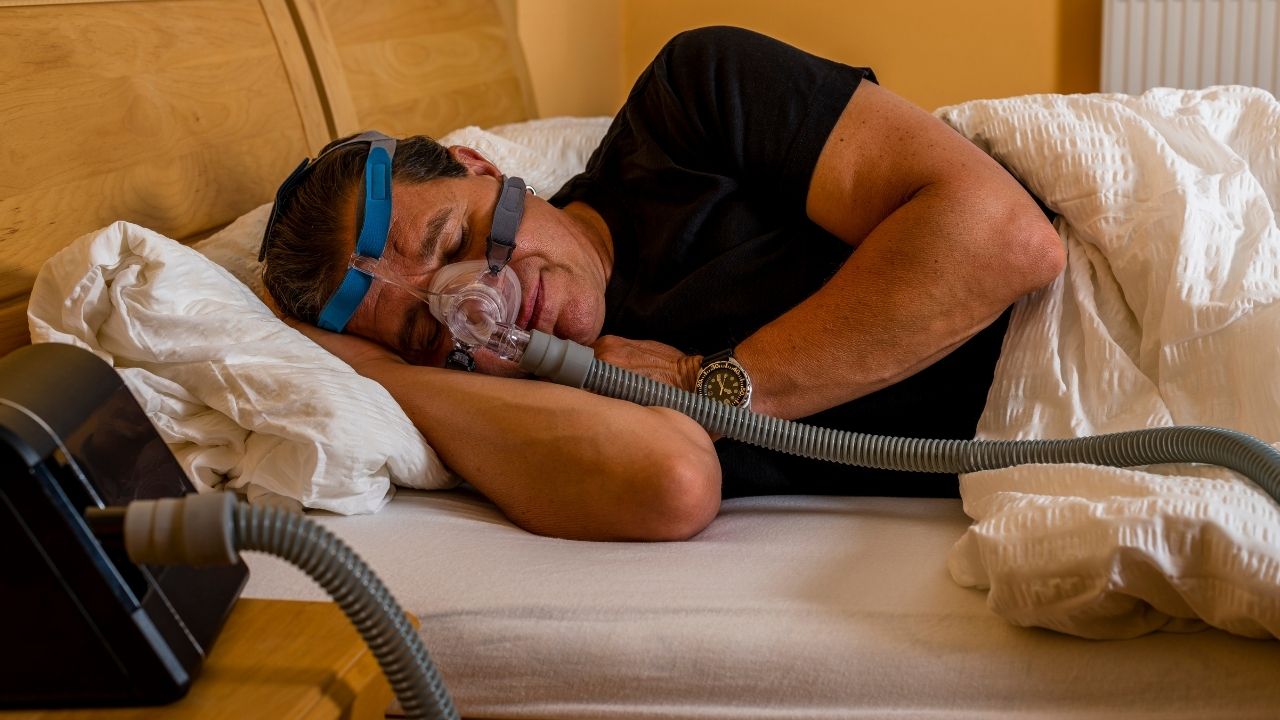
- Positive airway pressure (PAP): Worn only while sleeping, a CPAP machine provides continuous air pressure to a child’s airway to keep it open. This reduces the number of breathing-related sleep disruptions.
If you have concerns about your child’s OSA or its treatment, be sure to discuss their symptoms and therapy with their pediatrician or a sleep specialist.

Written by
Audra Sarver, Staff WriterAudra is a licensed, certified physician assistant and freelance health writer. She has specialized in psychiatry since completing her clinical training in 2018. Her passion for writing was born from the desire to make complex medical information more accessible and understandable to patients and their loved ones. Audra likes to write about all things related to behavioral health and physical wellness. Outside of her work, she enjoys landscape painting, learning new languages, traveling, and spending time with her partner.

Reviewed by
Gerard Meskill, Medical ReviewerGerard J. Meskill, MD is board certified in both neurology and sleep medicine, and he is the founder and CEO of Tricoastal Narcolepsy and Sleep Disorders Center. The “Tricoastal” moniker references his background: he completed neurology residency on the East Coast at Long Island Jewish Medical Center – where he served as chief resident, sleep fellowship on the West Coast at Stanford University, and he now practices sleep medicine and neurology on the Gulf Coast in the greater Houston, Texas area.